
What Affects How Long Bumper Repair Takes

Last Updated: November 3, 2026
Quick Summary
Bumper repair involves two timelines: hands-on labor hours and total calendar days at the shop. Labor like disassembly, painting and calibration is often a small fraction of total time, while parts ordering, insurer approval, paint curing and shop workload stretch the calendar. Parts backorders are the biggest wildcard.
Inspection and damage assessment usually happens the same day and takes 30 to 60 minutes.
Parts ordering and authorization can take one to five business days, sometimes longer for backorders.
Disassembly and repair typically require four to eight labor hours, usually spread over one to two days.
Painting and refinishing take one to two days including cure time, which cold or humid conditions can slow.
Ask for the parts order number and vendor ETA so you can track delays yourself.
Table of Contents
Hands-On Labor Time vs. Total Calendar Time in Bumper Repair
How Long Does a Bumper Repair Take From Inspection to Pickup
Step 1: Inspection and Damage Assessment (Same Day, Often 30-60 Minutes)
Step 2: Parts Ordering and Authorization (One to Five Business Days, Sometimes Longer)
Step 3: Disassembly and Repair (Four to Eight Labor Hours, Usually One to Two Days)
Step 4: Painting and Refinishing (One to Two Days Including Cure)
Step 5: Reassembly, Calibration, and Quality Inspection (Same Day to Two Days)
Bumper Repair Parts Delay: Backorders, Hidden Damage, and Supplemental Estimates
Damage Severity, Vehicle Design, and Paint Curing Constraints
How to Respond When Your Bumper Repair Completion Date Changes
Hands-On Labor Time vs. Total Calendar Time in Bumper Repair
Most drivers want one number when they ask what affects how long bumper repair takes. The honest answer is two numbers: the hours a technician actually works on your car, and the calendar days your car sits at the shop.
Bumper repair is the process of restoring or replacing a vehicle's front or rear bumper cover and the structure behind it after damage. The hands-on work is often a small fraction of the total time. For a broader step-by-step view of how collision repair timelines work, see the full guide.
Why the gap? Because your car also waits its turn in line.
Labor time: disassembly, repair, sanding, priming, painting, reassembly, calibration
Calendar time: labor plus ordering parts, insurer approval, paint curing, and shop workload
The difference: a car can sit untouched for days while a backordered bracket ships
Watch out: shops that quote only labor hours set you up to expect your car back too early. A clear estimate should show both figures.
How Long Does a Bumper Repair Take From Inspection to Pickup
Bumper repair timelines vary with the type of damage, parts availability, and sensor calibration needs. Structural damage, backordered parts, or sensor calibration generally extend the timeline.
Here is the step-by-step path your car follows, with typical time ranges for each stage.

Step 1: Inspection and Damage Assessment (Same Day, Often 30-60 Minutes)
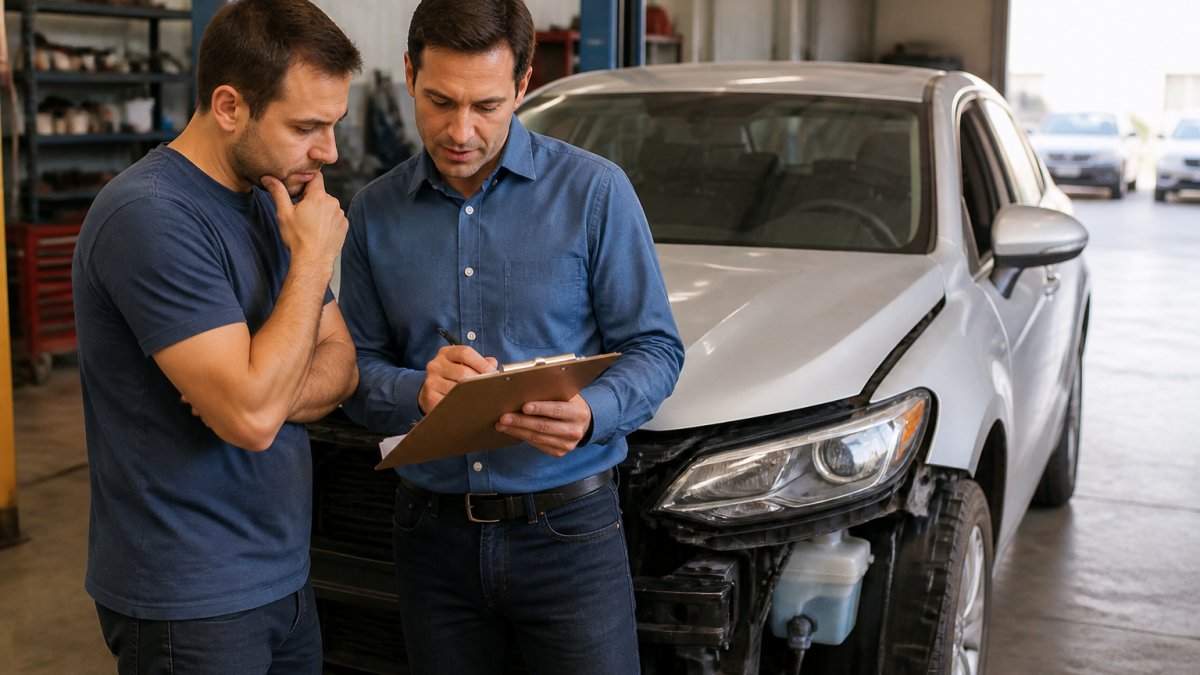
Inspection is where the real timeline gets set. A technician checks the bumper cover, the reinforcement bar behind it, mounting brackets, grille, headlights, and any sensors. Hidden damage found here changes the plan. A crack that looks cosmetic can hide a bent absorber, and that means ordering parts. Initial inspections are typically completed the same day a vehicle is dropped off, and a written estimate usually follows. If an insurer requires its own adjuster to inspect the vehicle, that step can add time before authorization and any hands-on work.
Step 2: Parts Ordering and Authorization (One to Five Business Days, Sometimes Longer)
This is the stage most drivers underestimate. Once the estimate is approved, the shop orders the bumper cover, brackets, absorbers, and any sensors or trim. If every part is in a local warehouse, it may arrive the next business day. If a cover or sensor is on national backorder, the calendar stretches regardless of how fast the shop works. Ask for the order number and the vendor's estimated arrival date so you can track it yourself. A common pattern is that the vehicle sits in the lot during this stage with no technician assigned, that is normal, not neglect.
Step 3: Disassembly and Repair (Four to Eight Labor Hours, Usually One to Two Days)
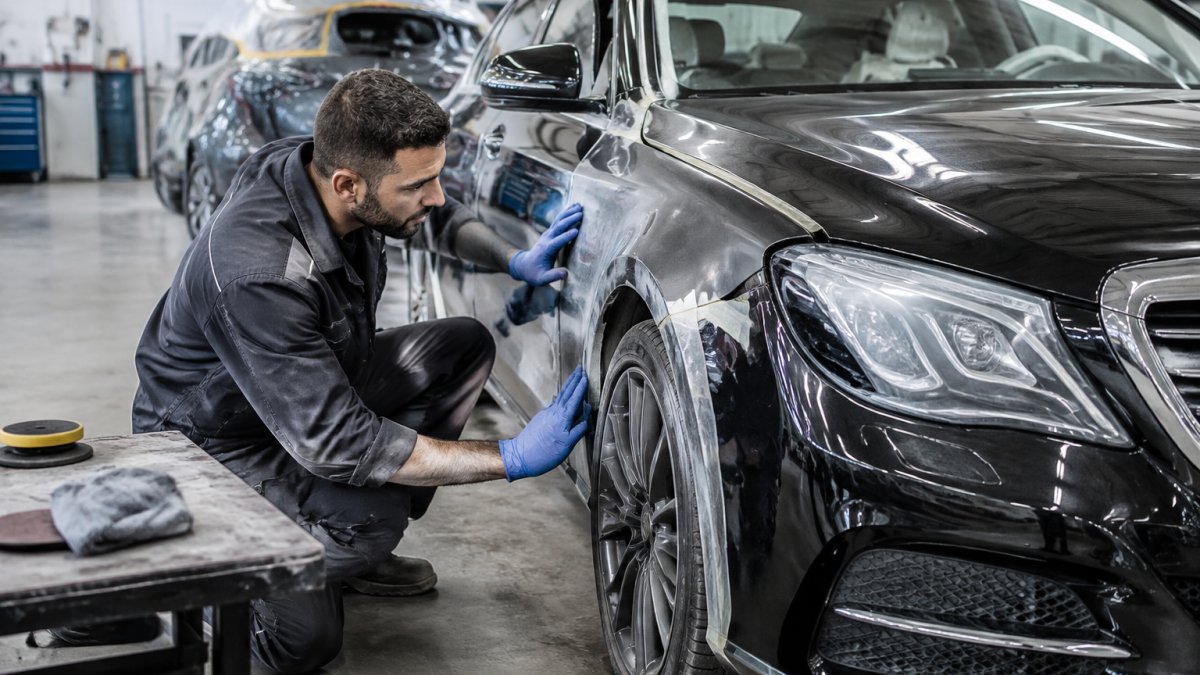
The bumper cover comes off, the damaged area is repaired or replaced, then sanded, primed, and prepped for paint. This is the hands-on core. A simple cover replacement typically takes less labor than a repair involving structural straightening. Because technicians often work on multiple vehicles, a job may occupy more calendar days in the bay than its labor hours alone suggest.
Step 4: Painting and Refinishing (One to Two Days Including Cure)
Paint matching on a luxury or exotic finish takes extra care, and refinishing is where most of the skilled labor lives. The finish needs flash time between coats and controlled curing before reassembly. Cold or humid conditions in the shop can slow the cure, and a busy shop may have a queue for booth time. Good shops build that cure window into the schedule rather than cutting it.
Step 5: Reassembly, Calibration, and Quality Inspection (Same Day to Two Days)
Modern bumpers hold cameras and radar sensors. After reassembly, those driver-assistance systems often need recalibration so lane-keeping and parking aids work correctly. Sensor calibration may be static, in a controlled bay, or dynamic, requiring a road test under specified conditions. Final quality inspection and a test drive close the job. Skipping calibration is a common shortcut, and it can leave safety features misaligned.
Step 6: Pickup and Payment (Same Day)
Once the work passes inspection, the shop contacts you for pickup. If insurance is involved, there may be a deductible or other out-of-pocket portion to settle before release. Confirm the final invoice matches the approved estimate and supplemental approvals before you drive away.
What You Can Check Before Booking
You can shorten the calendar by resolving several items before the car is dropped off:
Confirm whether the replacement bumper cover is in stock or must be ordered, and get the vendor ETA.
Send clear photos of the damage from multiple angles so the shop can pre-order likely parts.
Provide the vehicle identification number so the shop can confirm sensor and trim part numbers.
Confirm your insurance authorization status and whether an adjuster inspection is required.
Ask about the shop's current scheduling backlog and booth availability.
Watch out: a shop that quotes only labor hours sets you up to expect your car back too early. A clear estimate should show both the labor figure and the expected calendar days, stage by stage.
How Long Does It Take to Replace a Rear Bumper on a Car
Rear bumper replacement timing depends on whether replacement parts are on hand. The rear is often simpler than the front. Fewer sensors, less grille work, and a more straightforward cover.
The catch is parts. If the rear cover is in stock, the job moves fast. If it is backordered, the calendar stretches regardless of how quick the labor is. Ask two questions before booking:
Is the replacement bumper cover in stock or ordered?
Does your rear bumper have parking sensors that need calibration?
How Long Does It Take to Fix a Bumper and Headlight
Fixing a bumper and headlight together can add time over a bumper-only job. Headlight assemblies are frequently backordered, and some modern units need aiming or calibration after install.
The bumper and headlight share mounting points. Damage to one often means inspecting the other. A cracked bumper with a scuffed headlight can turn into a parts order for both, which is why a thorough inspection matters more than a fast quote.
Bumper Repair Parts Delay: Backorders, Hidden Damage, and Supplemental Estimates
Parts delay is the single biggest wildcard in bumper repair. A shop can do perfect work and still hand back your car late because a bracket, sensor, or cover is on backorder.
Hidden damage drives the second delay. Once the cover comes off, technicians sometimes find bent reinforcement or damaged mounts that the original estimate missed. That triggers a supplemental estimate to your insurer. Learn how to challenge low insurance repair estimates before you respond.
Watch out: a supplemental estimate is normal, not a red flag. What matters is that your shop explains it clearly and shows you the photos.
Damage Severity, Vehicle Design, and Paint Curing Constraints
Damage severity sets the floor for repair time. A scuff or scratch is quick. A dent with cracked paint takes longer. A cracked bumper with structural damage behind it takes longest, because repair turns into replacement.
Vehicle make and model matter too. Bumper design varies widely. Luxury and exotic vehicles often need precise paint matching and careful handling of sensors and trim.
Paint curing is a quiet constraint. Refinishing needs proper drying and curing time, and cold or humid conditions in the shop can slow it down. Rushing the cure risks a finish that fails later.
What Changed | Likely Cause | What to Do |
Date pushed by days | Backordered part | Ask for the order number and ETA |
Date pushed after teardown | Hidden damage found | Request the supplemental estimate |
Date pushed at the end | Calibration or paint cure | Confirm the new pickup date in writing |
How to Respond When Your Bumper Repair Completion Date Changes
A moving completion date is frustrating, but it is also information. Treat it as a signal to ask specific questions rather than a reason to panic.
Ask these when the date shifts:
What exactly caused the change?
Is it parts, labor, insurance approval, or calibration?
What is the new date, and is it firm?
Can I see photos of the damage found?
If insurance is involved and the delay is tangled in approvals, understanding how an insurance collision repair claim works can help you follow the process.
A shop that communicates early and shows you the reason is doing its job. A shop that goes quiet is the one to worry about.
Schedule a Bumper Inspection at E&A Supreme Auto Body
The fastest way to get a real timeline is a proper inspection. Guessing from a photo rarely holds up once the cover comes off.
At E&A Supreme Auto Body, we aim to explain findings and provide a clear estimate before work begins. We help with insurance claims and offer financing options for qualifying repairs.
Ready to move forward? Visit our auto body shop near me in Linden, NJ page to see our collision and bumper services. When you are ready to book, use our contact auto body shop Linden NJ page to reach the team and schedule your inspection.
Frequently Asked Questions
What factors can make bumper repair take longer?
The biggest delays come from hidden damage found after disassembly, backordered replacement parts, insurance supplemental estimates that need approval, and paint curing time. Vehicle make and model also matter because some bumper covers and sensors are harder to source and recalibrate. Cold or humid weather can extend drying and curing windows. A shop with a heavy workload may also add a day or two before your vehicle reaches the paint booth, so ask about current scheduling when you book.
Does bumper damage behind the cover affect repair time?
Yes. What looks like a simple scuff on the bumper cover can hide bent reinforcement bars, damaged absorber foam, cracked mounting brackets, or displaced sensors. Once the cover comes off, technicians often find structural damage that requires additional parts and a supplemental estimate. That is why a repair estimate given before disassembly is an educated starting point, not a final number. Shops that explain this upfront are usually the ones that keep completion dates realistic.
Can waiting for parts delay a bumper repair?
Parts availability is one of the most common causes of a bumper repair parts delay. Parts availability varies by make and model, and some vehicles may require parts to be shipped from farther away. Backordered parts can add several days or more. Ask your shop whether parts have been ordered, whether they are in stock, and whether an aftermarket or OEM alternative could shorten the wait without hurting quality.
How can I get an update on my bumper repair timeline?
Ask your shop who your point of contact is and how often they send updates, then confirm the best channel, whether phone, text, or email. Request a call when the vehicle moves from disassembly to paint and again before pickup. If the promised date slips, ask what changed: a supplemental estimate, a backordered part, or paint curing. A transparent shop will tell you the specific reason and give you a revised date rather than a vague answer.
Bumper repair timelines depend on parts, damage, and calibration, and no shop can promise a date before inspecting your car. E&A Supreme Auto Body gives you a clear estimate, helps with insurance claims, and offers financing options for qualifying repairs. Get started with E&A Supreme Auto Body and schedule a bumper inspection today.
Comments