
How Long Does Collision Repair Take? A Step-by-Step Guide

Last Updated: October 31, 2026
Quick Summary
Collision repair usually takes a few days for minor damage and several weeks for moderate to major damage. The exact timeline depends on the severity of the damage, parts availability, and the shop's current workload. Ask your shop for a timeline specific to your vehicle.
Minor damage often finishes in a few days.
Moderate to major damage can take several weeks.
Hidden damage found during teardown is a common reason timelines grow.
Specialty or discontinued parts can take weeks, while common parts often arrive in a day.
Ask how many repair days are hands-on labor versus waiting for parts or approval.
Table of Contents
How Long Collision Repair Usually Takes
If your car has been in a collision, the first question most owners ask is how long collision repair takes. For minor damage, many repairs finish in a few days. Moderate to major damage can take several weeks, and the exact timeline depends on the severity of the damage, parts availability, and the shop's current workload.
Here is a rough guide to what many owners can expect:
These are general patterns, not guarantees. Ask your shop for a timeline specific to your vehicle, and ask what could change it.
Repair timelines vary widely by damage level, as summarised below.
Damage level | Typical time | Note |
Minor damage | A few days | Many repairs finish in this window |
Moderate to major damage | Several weeks | Depends on severity, parts and workload |
Common parts | Often arrive in a day | Specialty or discontinued parts can take weeks |
Step 1: Get a Damage Assessment and Repair Estimate
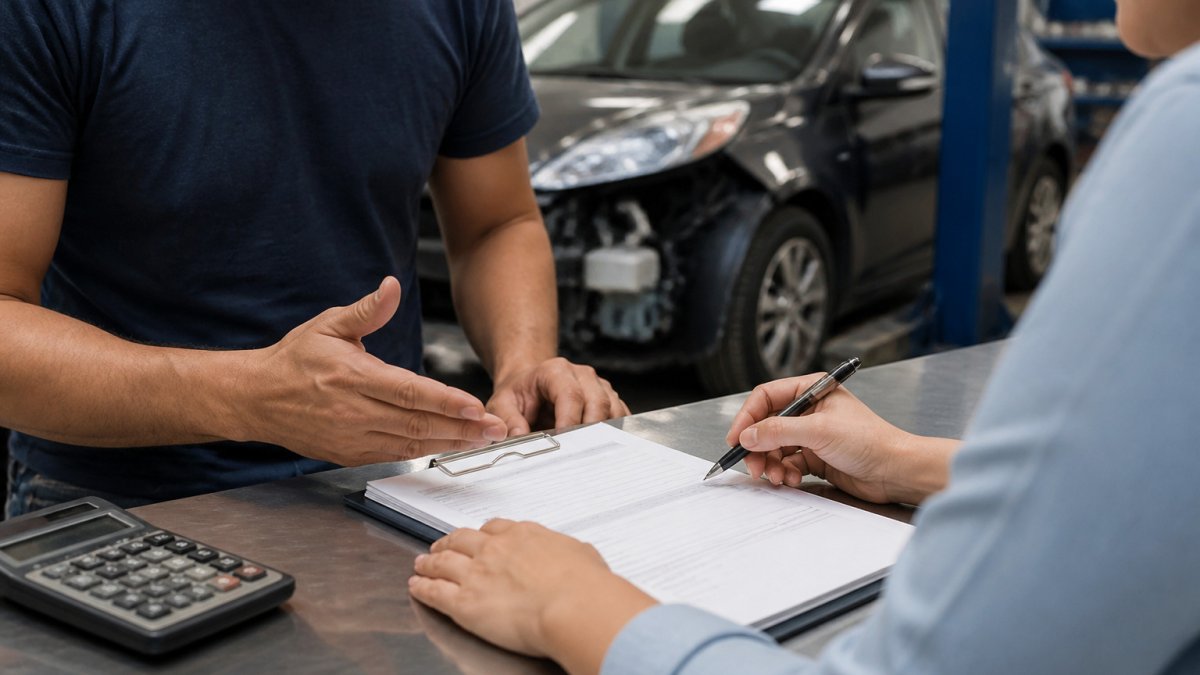
Repair time starts with the assessment. A thorough inspection finds the visible damage and also looks for hidden damage behind panels, which is one of the most common reasons timelines grow.
Before you agree to a schedule, make sure you have:
A written repair estimate listing parts, labor, and paint work
A note of whether the estimate covers only visible damage or includes a teardown inspection
A clear answer on when the shop expects to start work
For a quick self-check after a minor accident, How to Check Your Car After a Minor Accident walks through what to look for.
Insurance adds steps too. If your claim is involved, How Does an Insurance Collision Repair Claim Work? explains how the approval process fits into the overall timeline.
Watch out: A short estimate written before a teardown often changes once hidden damage is found. Ask any shop how it handles supplemental estimates before work begins.
Factors Affecting Collision Repair Time
Several variables shape how long the repair takes, but the real question is how each one adds calendar days. Below, each factor is tied to a specific stage and a typical time impact so you can see where your repair might stall.
Severity of damage: More damaged panels mean more labor hours and more parts. A single dented fender might be a one-day job; a crushed front end with radiator support damage can add a week or more of bodywork alone. The key is that severity multiplies across stages, teardown, parts, bodywork, and paint all grow.
Hidden or structural damage: Frame and mounting points often reveal extra work once the car is opened up. A teardown that uncovers bent frame rails can add three to five business days for measuring and straightening, plus the time to order structural parts. This is why a pre-teardown estimate is rarely final.
Parts availability: A common part may arrive in a day. A specialty or discontinued part can take weeks. The stage where this hurts most is between teardown and bodywork, technicians cannot reassemble what they do not have. Ask the shop whether parts are in stock, at a local warehouse, or on backorder from the manufacturer.
Vehicle make and model: Some vehicles use proprietary parts or complex sensors that need recalibration. For example, a front bumper replacement on a car with parking sensors and a forward-collision camera may require a calibration scan after reassembly, adding a day at the end. Luxury and exotic models can also have longer parts lead times because components are not stocked locally.
Paint and drying time: Multi-coat finishes and color matching add curing time between steps. Primer, base coat, and clear coat each need flash time, and some shops wait overnight before buffing. A three-stage paint job can add two to three days compared to a single-stage finish. Cold or humid weather can extend drying further if the shop lacks a heated booth.
Shop workload: A busy shop may have a longer queue, especially after a major storm. The drop-off-to-start gap is a calendar-day issue, not a labor-hour issue. Ask the shop for the current backlog in days before you schedule.
Insurance approval: Waiting on an adjuster can pause work before it starts. If the insurer requires a supplemental estimate after teardown, that approval can take one to three business days, during which the vehicle sits. Knowing your claim process helps you anticipate this pause.
A common pattern is that parts and insurance approval cause the longest calendar delays, while bodywork and paint consume the most labor hours. Ask your shop to separate labor days from waiting days in the timeline they give you.
Pro Tip When you get a repair timeline, ask: "How many of those days are hands-on labor, and how many are waiting for parts or approval?" That single question reveals where the real delay risk sits.
Step 2: Teardown, Parts Ordering, and Frame Work
Once the estimate is approved, the shop usually moves to teardown. Technicians remove damaged panels and inspect what sits underneath. This is often the stage where the timeline shifts, because hidden damage shows up.
Frame and structural work comes next when needed. Measuring the frame against factory specifications can take time, and pulling or straightening structure is labor-intensive.
Parts availability and ordering delays
Parts are often the longest wait in the process. Here is what usually affects them:
Common parts for popular models are easier to find
Imported, luxury, or exotic models may need parts shipped from further away
Ordering a part after teardown can add a few days if the shop waits to confirm the damage
Some parts arrive in batches, so one missing piece can hold up the whole job
Ask the shop to tell you when parts are ordered and when they are expected to arrive.
Step 3: Bodywork, Paint, and Reassembly
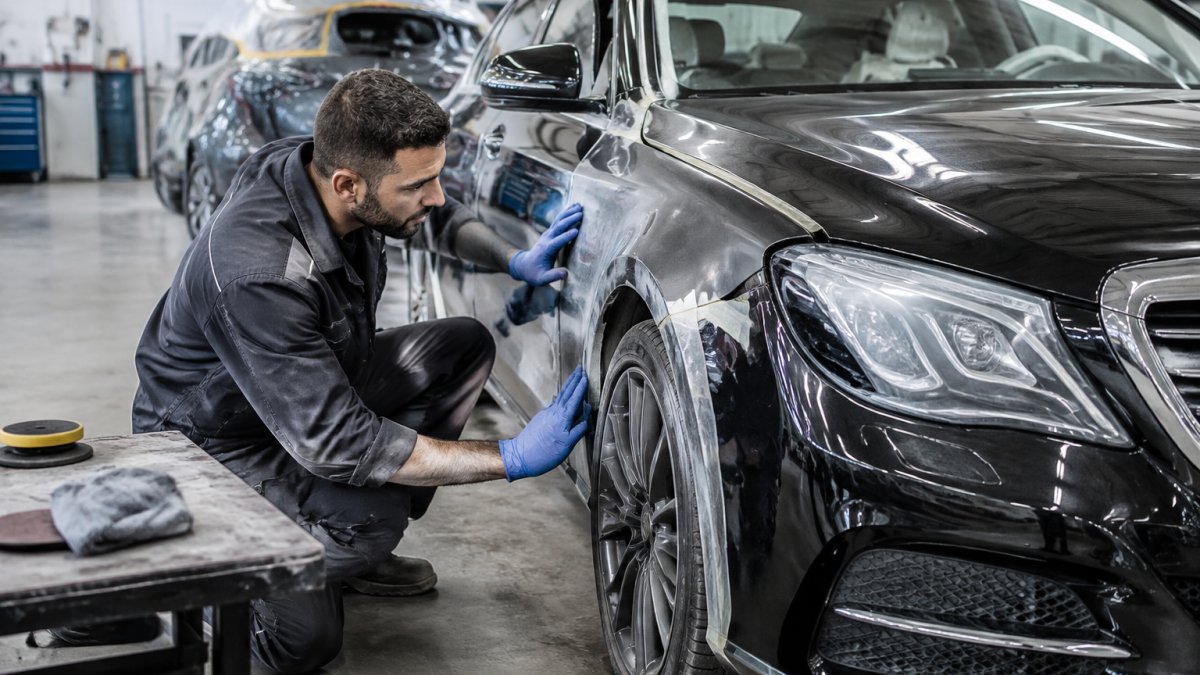
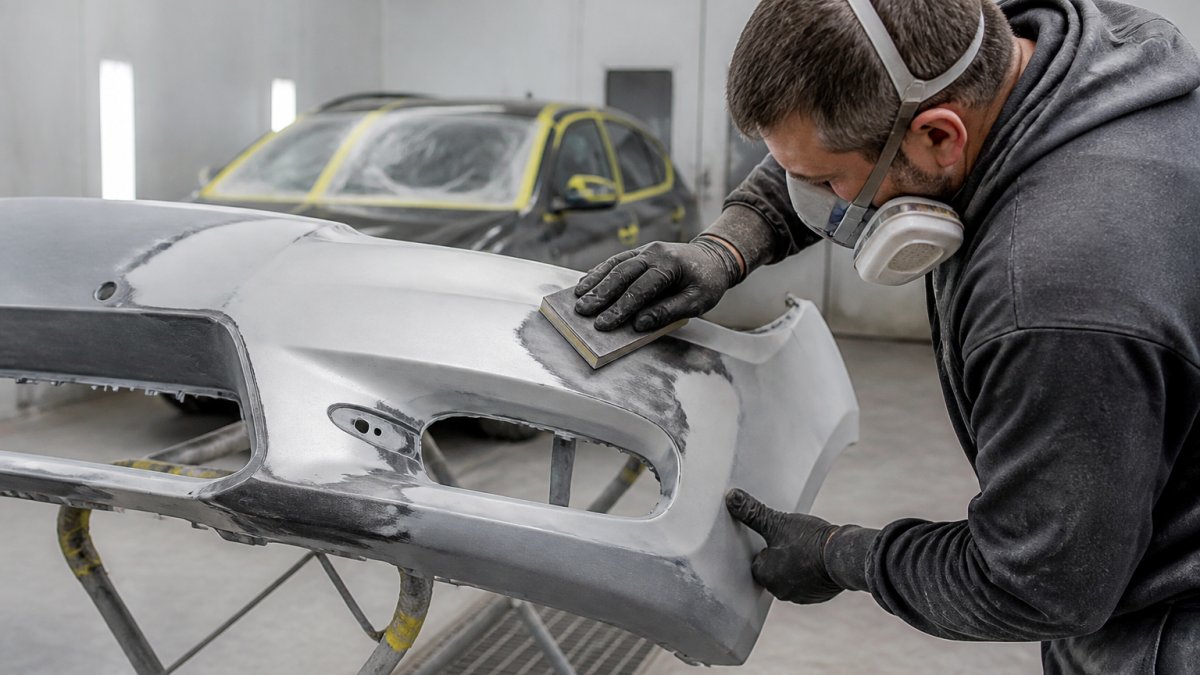
Bodywork follows once parts and structure are sorted. Technicians straighten, fill, and sand the damaged areas to prepare them for paint. Smooth surfaces matter because small flaws show up under the final finish.

Paint is typically the most time-sensitive step. Primer, base color, and clear coat each need drying or curing time. Color matching may require test sprays before the final coat. Once painting is complete, the team reassembles the vehicle, reinstalls trim and lights, and runs a quality inspection.
A good shop will check panel gaps, paint color, and lights before releasing the car. This final check protects your investment, but it does add time at the end.
Collision Repair Delays and How to Avoid Them
Most delays are predictable, and the most common ones cluster around two stages: the supplement process after teardown and the insurer authorization that follows. Here is how to reduce avoidable waiting at each point.
Late supplemental estimates: After teardown, hidden damage often requires a supplemental estimate. Ask the shop to notify you and the insurer as soon as hidden damage is found, and to send any supplement promptly.
Slow insurance approval: Send the claim number and adjuster contact details to the shop before drop-off. Confirm whether your insurer requires pre-approval for supplements or has a direct-repair relationship with the shop. If the insurer uses a photo-estimate app, ask the shop whether it can upload teardown photos promptly.
Backordered parts: Ask whether the shop can use an alternate part that meets quality standards, and get the shop's policy on parts sourcing in writing before work begins.
Waiting on a rental car: Confirm your rental coverage before drop-off so you are not stuck if the repair runs long. Check your policy's daily limit and maximum rental period, many policies cap rental reimbursement at a set dollar amount per day and a total number of days. If your repair is likely to exceed that, plan a backup transportation option.
Shop scheduling gaps: Ask when the shop will actually start work, not just when you drop off. A shop that parks your car for three days before teardown adds three calendar days with no labor. If the wait is long, ask whether a different shop or a scheduled start date can reduce it.
A common mistake is assuming the first estimate is final. Plan for a supplement and a short approval pause from the start, and you will feel less pressure when the completion date shifts. When the promised date slips, ask the shop for a revised date in writing and the specific reason, parts, approval, or labor, so you can decide whether to escalate with the insurer.
Watch Out If the shop says the delay is due to insurance approval, call your adjuster the same day and ask for the status of the supplement. A polite follow-up can sometimes move a file that is sitting in a queue.
Tracking Your Car Repair Status Updates
You do not need to call the shop every day to know where your car stands. Ask for a few simple checkpoints:
The date the teardown begins
When parts are ordered and expected to arrive
When paint work starts and finishes
When the car is scheduled for final inspection and pickup
Ask how the shop communicates updates, whether by phone, text, or email. Clear status updates make it easier to plan around work and transportation.
Booking Your Repair at E&A Supreme Auto Body
At E&A Supreme Auto Body, we are a locally owned shop in Linden, NJ, handling collision repair, auto painting, and bumper repair for domestic, foreign, luxury, and exotic vehicles. We also help with insurance claims and offer financing options for qualifying repairs. To schedule service, contact E&A Supreme Auto Body. If you are looking for a auto body shop near me in Linden, NJ, you can find collision, dent, and paint repair services and book your repair there.
Before you commit to a shop, ask what the repair guarantee covers and how long it lasts. Collision Repair Guarantee Explained for Vehicle Owners covers what shops cover, what voids a guarantee, and the questions to ask before you sign off.
Frequently Asked Questions
How long does collision repair usually take?
Minor cosmetic damage such as a bumper scuff or small dent is usually quicker than major collision work. Moderate repairs involving several panels, paint blending and parts ordering take longer, and major damage that involves frame or structural work can take several weeks. Parts availability, insurance approval and the shop's current workload all shift these ranges, so ask your shop for a stage-by-stage estimate rather than relying on a single number.
What factors affect how long a body shop takes to repair a car?
The biggest factors are the extent of the damage, whether frame or structural components are involved, the vehicle's make and model, and how quickly replacement parts arrive. Paint matching and refinishing need drying time between coats, which adds hours or days. Hidden damage found during teardown can also extend the timeline, so a reliable initial assessment helps reduce surprises.
Why do collision repairs take longer than the original estimate?
Initial estimates are often written from visible damage only. Once panels are removed, technicians may find hidden damage to brackets, sensors or the frame. Parts may be back-ordered, and an insurer may need to approve supplements before work continues. A good shop will document these changes and tell you before they affect your schedule.
What should I ask the body shop if my repair is delayed?
Ask what caused the delay, which stage the car is in, and what the revised completion date is. Request the specific part numbers and expected arrival dates, and ask whether any supplement needs insurance approval. Asking for written updates when the estimate changes helps you plan transportation and avoid surprise charges.
Comments