
Auto Body Repair Cost Estimates 2026: What to Expect

Last Updated: October 23, 2026
Quick Summary
Auto body repair cost depends on damage type, parts choice, labor hours, paint materials, and shop rate, so two estimates for the same dent can land far apart. The damage type sets the floor and what is underneath sets the ceiling. Ask for a written, itemized estimate before any work begins.
Vehicles are more complex in 2026, with sensors, cameras, and radar behind bumpers that used to be simple plastic.
Every written estimate should itemize parts, labor hours, paint and materials, diagnostics, and taxes and fees.
OEM parts match factory fit and finish, aftermarket parts cost less but vary in quality, and used parts can suit older vehicles.
Photo estimates can catch obvious panel and bumper damage but cannot see bent brackets or sensor damage behind a cover.
Compare labor hours, not just rates, because a lower rate with fewer hours can hide skipped steps.
Table of Contents
Why 2026 Auto Body Repair Cost Estimates Look Different
What a Collision Repair Estimate Actually Covers
Line Items You Should See on a Written Estimate
Auto Body Repair Cost by Damage Type: What Moves the Number
The Cost Drivers Behind Every Estimate
Parts Choices: OEM, Aftermarket, and Used
How Vehicle Technology Raises Labor Hours
How to Get a Free Estimate and Use Photo Estimates Correctly
How to Compare Body Shop Estimates Line by Line
How Long Does Auto Body Repair Take?
Insurance, Deductibles, and Out-of-Pocket Costs
Frequently Asked Questions
Why 2026 Auto Body Repair Cost Estimates Look Different
A repair estimate is only as good as the information behind it. That is the core problem with auto body repair cost estimates in 2026: the number on the page depends on parts availability, labor rates, and how much hidden damage a shop can actually see. At E&A Supreme Auto Body, we write estimates the same way we explain them, line by line, so nothing feels like a surprise later.
Three things have changed the math this year:
Vehicles are more complex. Sensors, cameras, and radar sit behind bumpers that used to be simple plastic.
Parts supply shifts pricing. Availability moves faster than published guides can track.
Shops vary widely. Labor rates and repair methods differ from one shop to the next.
That last point matters most. Two estimates for the same dent can land far apart, and the gap is usually explainable.
What a Collision Repair Estimate Actually Covers
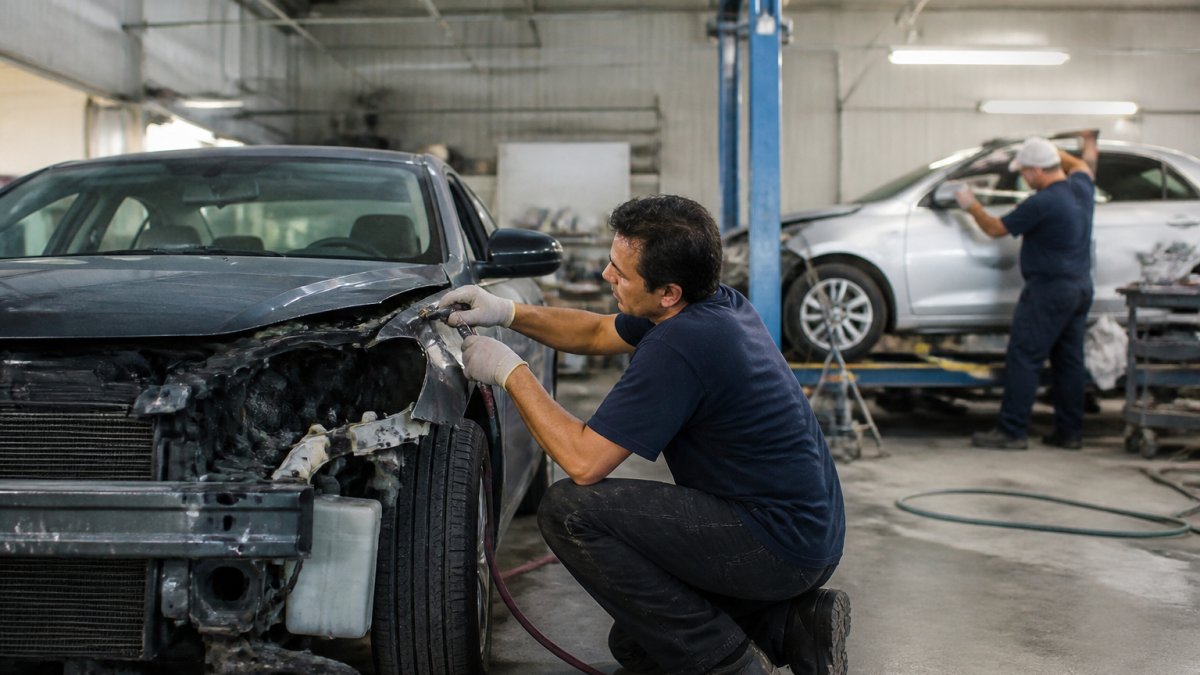
A collision repair estimate is a written breakdown of the work needed to restore your vehicle, priced by parts, labor, and materials. It is not a bill. It is a plan you can question, compare, and revise as the repair unfolds.
A good estimate answers three questions: what is damaged, how it gets fixed, and what each step costs.
Line Items You Should See on a Written Estimate
Every written estimate should show these categories clearly:
Parts: new, used, or aftermarket, listed by name and number
Labor hours: body, paint, and frame time listed separately
Paint and materials: refinish supplies, not just paint
Diagnostics: scan time for sensors and safety systems
Taxes and fees: itemized, never bundled into one vague total
If an estimate is one lump sum with no breakdown, ask for the detail. A shop that cannot explain its own numbers cannot defend them to your insurer either.
Watch Out The most common mistake is accepting a one-line estimate. Without itemized parts and labor, you cannot spot missing work, and hidden damage often surfaces after the car is already apart.
Auto Body Repair Cost by Damage Type: What Moves the Number
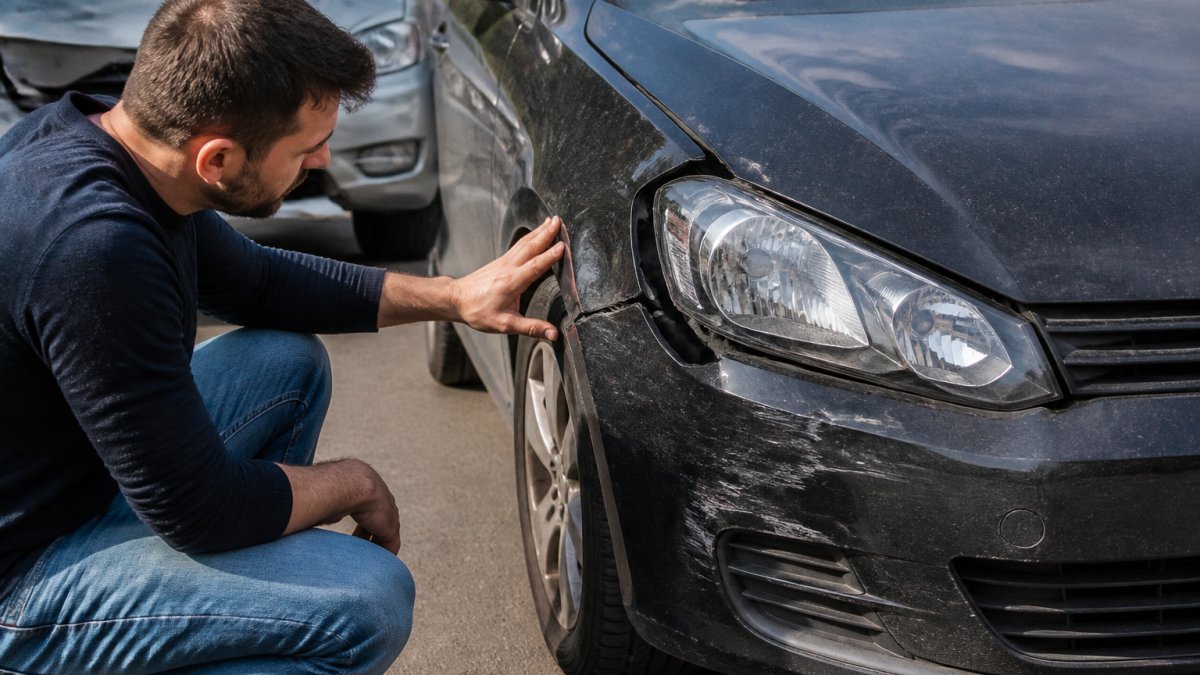
Auto body repair cost by damage type is the single biggest driver of your final number, and it varies more than most drivers expect. A parking lot scuff and a front-end collision can differ by thousands, even on the same vehicle.
Here is how damage types generally rank, from simplest to most involved:
Damage Type | Typical Scope | What Drives Cost |
Paint scuff or scratch | Refinish one panel | Paint match, blend area |
Dent or ding | Panel repair | Access behind panel, metal type |
Bumper damage | Cover repair or replace | Sensors, brackets, paint |
Panel replacement | Cut and weld or bolt-on | Part cost, alignment |
Frame or structural | Straightening on a rack | Labor hours, measuring |
Multi-panel collision | Full section rebuild | Parts count, paint blending |
We tell customers the same thing every time: the damage type sets the floor, and what is underneath sets the ceiling.
The Cost Drivers Behind Every Estimate
Repair cost comes down to four inputs: parts, labor hours, paint materials, and shop rate. Change any one and the estimate moves.
Two of those inputs deserve a closer look, because they cause most of the disagreement between estimates.
Parts Choices: OEM, Aftermarket, and Used
Parts selection changes both price and outcome. Original equipment manufacturer (OEM) parts match factory fit and finish. Aftermarket parts cost less but vary in quality. Used parts can be a smart choice for older vehicles when the donor part is clean.
Ask which type is on your estimate and why. On a lease or a newer luxury vehicle, OEM often protects resale value. On an older commuter car, a quality used part may be the practical call.
How Vehicle Technology Raises Labor Hours
Modern vehicles carry cameras, radar, and parking sensors, and many sit behind or near the bumper. That adds steps:
Removing and reinstalling sensors
Recalibrating driver-assist systems after bodywork
Scanning for diagnostic codes before and after repair
Recalibration is real work with real equipment behind it. An estimate that skips it is not saving you money. It is deferring a problem.
How to Get a Free Estimate and Use Photo Estimates Correctly
Start by asking for a written, itemized estimate before any work begins. Most shops, including ours, provide one at no cost, and you should never pay to learn what is wrong with your car.
Photo estimates are useful, but know their limits. A photo estimate is a preliminary assessment based on images you send in. It can catch obvious panel and bumper damage and give you a rough direction. It cannot see bent brackets, cracked mounting points, or sensor damage behind a cover.
Use photos to start the conversation, not to close it.

If you are local and want a hands-on assessment, you can find an auto body shop near you and request a free estimate in person. Prefer to reach out first? Contact our team with photos and questions, and we will tell you what we can and cannot judge from an image.
Pro Tip Take photos in daylight from four angles, plus close-ups of each damaged area and one wide shot of the whole vehicle. Shops can quote far more accurately from a complete set than from one blurry bumper shot.
How to Compare Body Shop Estimates Line by Line
Comparing estimates is not about finding the lowest total. It is about finding the estimate that accounts for the most work.
Follow this sequence:
Match the line items. Put both estimates side by side and check that the same parts and operations appear on each.
Compare labor hours, not just rates. A lower rate with fewer hours can hide skipped steps.
Check parts type. OEM, aftermarket, and used should be labeled, not implied.
Look for diagnostics and calibration. Missing scan or recalibration lines are a red flag.
Ask about supplements. A supplement is an added estimate when hidden damage appears after disassembly.
Confirm the warranty in writing. Ask what is covered and for how long.
A shop that welcomes these questions is a shop worth trusting. One that dodges them is telling you something.
How Long Does Auto Body Repair Take?
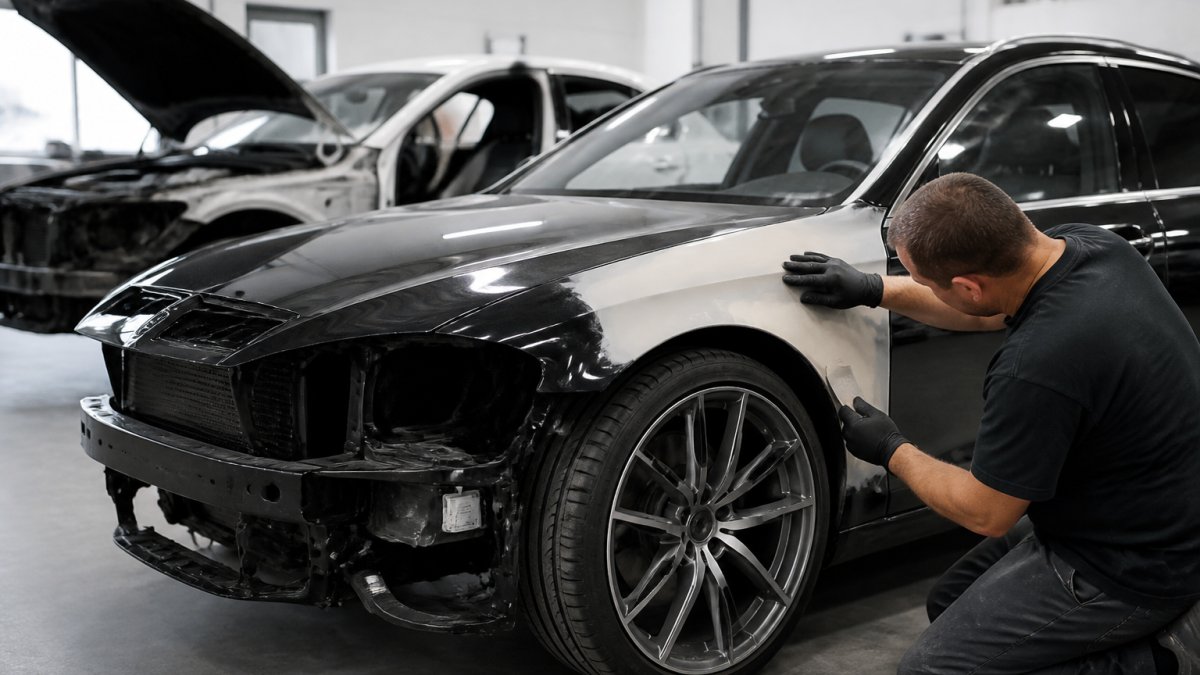
How long auto body repair takes depends on damage severity and parts availability, not on the size of the shop. Minor cosmetic work can often finish in a few days. Multi-panel collision repair with structural work and recalibration can run a week or more, and special-order parts add waiting time on top.
Ask two questions up front:
When will parts arrive?
What happens if hidden damage is found?
The second question matters. A realistic timeline includes room for a supplement. A promise of "two days, guaranteed" before the car is disassembled is a guess, not a schedule.
Insurance, Deductibles, and Out-of-Pocket Costs
Your out-of-pocket cost is the part your insurance does not cover, and the deductible is usually the largest piece of it. If you file a claim, you typically pay your deductible and your insurer covers the rest of the approved repair, subject to your policy terms (Understanding your insurance deductibles). The part most drivers miss is that the insurer's first number and the shop's final number are rarely the same, and the difference is where out-of-pocket surprises come from.
Here is how the money usually flows on a claim:
The insurer writes an initial estimate. This is based on visible damage and published labor and parts data. It is a starting point, not a final price.
The shop disassembles the vehicle. Hidden damage, bent brackets, cracked mounting points, sensor damage behind a cover, becomes visible.
The shop submits a supplement. A supplement is the documented additional work sent to the insurer for approval. It is normal, and it is how a repair gets done right rather than done cheaply.
You pay your deductible. The deductible applies once per claim, not once per supplement, under most policy terms.
You may owe out-of-pocket for items your policy does not cover. Common examples include betterment charges on wear items, upgrades you request, and rental costs beyond your coverage limit.
Where drivers get stuck is the gap between the insurer's initial estimate and the shop's findings. Ask the shop up front how it handles supplements and whether it will document additional damage with photos and measurements. A shop that welcomes that conversation is protecting you from a mid-repair surprise.
If you are unsure what to do right after a crash, before you call anyone, our guide on what to do after an accident walks through the first steps in order.
Key Takeaway Never sign a repair authorization that waives your right to a supplement. Hidden damage is common, and a supplement is how it gets covered.
Financing can help when the out-of-pocket portion is more than you planned for. Ask what terms are available for qualifying repairs before you commit.
Frequently Asked Questions
Do body shops charge for an estimate?
Most collision repair shops provide a free written estimate, and you should confirm that before you drop the car off. A free estimate typically covers a visual inspection and a written breakdown of parts and labor. A teardown estimate, where panels are removed to find hidden damage, may involve a fee at some shops because of the labor involved. Ask upfront whether the estimate is free, whether a teardown costs anything, and whether the fee is credited toward the repair if you approve the work.
Can a body shop find additional damage after repairs begin?
Yes, and it happens often. Hidden damage behind a bumper cover, bent inner structure, or a cracked mounting point may not show until panels come off. When that occurs, the shop submits a supplement to your insurer, which documents the extra damage and requests additional payment. A reputable shop photographs the hidden damage and explains it before proceeding. This is one reason a preliminary auto body repair cost estimate is a starting point, not a final bill, and why you should ask how supplements are handled.
Should I get more than one collision repair estimate?
Getting two or three estimates is reasonable, especially when you are paying out of pocket. Compare them line by line rather than by the bottom number: parts type (OEM versus aftermarket), labor hours, paint and refinish operations, and whether diagnostic scans are included. A noticeably lower quote often reflects aftermarket parts or omitted procedures. If your insurance is paying, the insurer may direct you to a network shop, but you generally retain the right to choose your own repair facility.
How long does auto body repair take once the estimate is approved?
Timelines depend on the repair scope and parts availability. A minor dent or bumper repair can take a day or two, while panel replacement and paint work often run several days to a week. Structural damage or a backordered part can extend the job by weeks. Ask the shop for a written timeline that separates teardown, parts ordering, bodywork, paint, and reassembly, and ask how they notify you if a supplement or parts delay changes the schedule.
Schedule service
Add easupremeauto.com as a preferred source on Google →
Comments